Ketamine Assisted Psychotherapy
Feeling trapped in the past?
You’re not alone! So many of us with complex trauma histories are. And it’s not that you haven’t tried to heal from events that were out of your control. Chances are you’ve tried medication, therapy, yoga, breathing exercises, working out, screaming into the void…you name it, you’ve tried it. But you’re just feeling…stuck. Maybe you’ve been told to just accept this is as good as it’s going to get.
Well that didn’t feel good enough for me! And after working in the field of trauma for over a decade, it didn’t feel good enough for my clients either. While I believe wholeheartedly in the healing power of therapy and the therapeutic relationship, I began to feel like there was some piece of the healing puzzle I was missing. This led me on a personal exploration in an effort to find out what else was available for myself, as well as my clients to get us the results we deserve after the heartaches we’ve endured.

Finally, an answer!
When I think of who is best served by ketamine assisted psychotherapy or KAP, for me it is my clients that have been failed repeatedly by medications and still aren’t finding relief. It’s also my clients that have been struggling with symptoms associated with trauma and are just feeling stuck or possibly hopeless that they will not be able to move past the current state they’re in. Finally, as a good portion of the clients I serve are neurodivergent, it would be neglectful of me not to consider the possibilities for how ketamine could best support these clients, as well.
It’s only fair that I share what KAP is not. KAP is not a one-stop shop that will fix all struggles. Like most medicines or interventions, we see the most benefit when protocols are followed correctly AND lifestyle factors are taken into account. KAP, like therapy alone, is meant as one part of a holistic approach towards wellness. While it may appear to be miraculous in that it can heal in ways other medicines cannot, it is not actually a miracle drug meant to be taken with the impression no other changes will need to be made in order to achieve positive well-being. HOWEVER, it can definitely heal the mind by allowing other changes to feel accessible that were previously thought to be out of reach, leading to lasting improvements all around.
Feeling curious and possibly a little hopeful? Read below to learn more about what ketamine assisted psychotherapy with me would look like!

There’s no denying that ketamine, like many psychedelics, is a substance that has gotten a pretty bad rap up until recent years. During the first wave of psychedelic research (from roughly the 1950s-1985), methods were flawed and often unethical, politics were involved creating a major backlash, and as a result federal funding was significantly reduced, halting any potential further advancements. None of this was particularly helpful in allowing the public to gain any more insight or consider a different opinion of psychedelics as a useful healing medicine that we know they can be.
Fast forward to around 2000 through now and you’ll see that we are in a second wave of psychedelic renaissance. States are legalizing psilocybin or mushrooms, ketamine therapy is hitting its stride, and MDMA is *this* close to being federally legalized for medicinal purposes. Guidelines are stricter now regarding clinical safety all around, ethical protocols have increased, and optimal therapeutic setting coupled with increased and intentional training has changed the game for psychedelic administration.
These improvements couldn’t have come at a better time! The pandemic was a game changer regarding mental health and not necessarily for the better tbh. We’re seeing teen suicides on the rise and depression all around has increased across the country for all ages ranges, genders, socioeconomic status, and race. We unfortunately aren’t seeing the improvements we as a society would like from traditional modern medicine and oftentimes availability is a factor that’s preventing ongoing and continued access anyhow.
So…ketamine assisted psychotherapy or KAP has entered the chat! Ketamine was originally used in wartime for soldier’s injuries. It was used as an anesthetic with properties, but with dissociative effects that made scientists stop and say “Hey, what else can this be used for?”. While many know it as a party drug, like many substances, when used in a controlled setting, it has the potential to have lasting changes as a healing medicine.
The history of ketamine and the current use of KAP

How does ketamine treatment work?
Ketamine can be administered in a variety of ways, which allows for more autonomy in client’s decision making regarding their medication and what sort of experience they would like to have.
-
One route of administration is via nasal spray with a medication called Spravato. Spravato is FDA approved and is meant to be used in conjunction with an oral antidepressant, though this stipulation was recently lifted. Spravato is not pure ketamine, but is a derivative. It is typically self-administered, but still requires a prescription and must be done with a licensed prescriber monitoring the journey.
-
IM is a shot similar to a flu shot. The medication is typically very fast acting with this route. This is often the preferred method of administration because it is able to become immediately accessible to the circulatory system and optimizing bioavailability.
-
Also called troches or lozenges that are dissolvable tablets meant to be held in the mouth and not swallowed. This is typically a slower acting rate of absorption with less psychoactive effects. This is a great option for anyone that is needle shy or looking for a gentler approach and introduction to the medicine.
-
This method is delivered directly into the vein. This is a very controlled and slower method of treatment, not typically seen for those trying to go deeper. Typically, IV is what is used during surgeries.
-
During a typical ketamine journey, you and your therapist will review your previously decided upon intention for this particular day. This is your healing journey and should you have something different that has shown up on that day, you are more than welcome to change your mind about the focus of the session!
Your medical prescriber will administer the medication in the previously agreed upon route and be available throughout the session for whatever medical needs may arise. Your therapist will also be present and available in whatever previously agreed upon manner you’d like them to be. Some clients turn inward and the therapist is present in the space with you to keep this space safe. Some clients process out loud and may need a comforting hand or safe touch.
There is no wrong way to show up on your journey. The idea behind psychedelics and dissociatives is to relax your mind enough for your own inner healing abilities to show up. As this looks different for everybody and even different for the same individual on different days, you will have a protected container to show up however you need to in that moment to access these inner resources.
-
While ketamine can be used as a standalone treatment without therapy, there is a risk of dependence on the medication for symptom relief. Symptoms may ease for days up to weeks following treatment, but will typically require the patient to return for repeated administrations. Like many other medications used in the long-term, there are negative side effects associated with this more pharmaceutical approach to method of treatment. Long term effects include kidney and bladder toxicity, as well as ketamine tolerance and dependence.
KAP is different from the typical pharmaceutical approach due to the necessary psychotherapy component involved. This is beneficial for clients because the brain is more open to accepting change and creating new pathways that can more easily lead to healthier options vs treading down the same narrow paths depression and other mental health struggles take the client down. Those first 72 hours following a journey are crucial for therapy to take place because of the potential for positive brain changes . Oftentimes people have reported improvements after the first treatment where other medications can take weeks for clients to have results. Therapy used in conjunction with the medication reduces the amount of sessions needed, allowing clients to remain symptom free and not face long-term physical side effects associated with extensive ketamine use.
Who is best served by KAP?
Ketamine has been approved by the FDA as an off-label medication for a number of mental health related struggles, including treatment resistant depression. Depression is considered treatment resistant when there have been as little as two tried and failed medications where the patient has not seen a successful reduction in symptoms of depression. Ketamine is also indicated for OCD, mood disorders, suicidal ideation, anxiety, PTSD, and addictions.
Who else would benefit?
Clients that have been struggling with symptoms associated with trauma and are just feeling stuck and possibly hopeless that they will be able to move past the current state they’re in
Clients that have been failed repeatedly by medications and still aren’t finding relief
As a good portion of the clients I serve are neurodivergent, it would be negligent of me not to consider the possibilities for how ketamine could best support these clients, as well.
Upon further research, I learned that psychedelics or dissociatives (which is a more accurate description of the effects of ketamine) actually have huge benefits for ADHD/autistic individuals. One of the main struggles so many of my clients face is emotions that can become so overwhelming, sometimes to the point of it being debilitating. While in early stages of understanding (at least from what I’ve found), brain derived neurotrophic factor or BDNF levels in Autistic individuals is quite variable, which can lead to depression among other struggles. Ketamine helps to regulate and release BDNF, allowing for increased synaptic plasticity. With neuroplasticity introduced there is a higher potential for ingraining new behaviors and new connections to help address rigid outlooks/perspectives. It also can disrupt deeply ingrained patterns or thinking, which can allow for more opportunities for breakthroughs to occur.
Additionally, most neurodivergent folx struggle with sensory overload. Ketamine can help to quiet a very loud world and offer relief from this overwhelming stimuli, making emotions and the environment at large more manageable. Finally, ketamine has the potential to reduce anxiety, making social situations overall feel less daunting, creating new opportunities for connections and understanding all around.
These opportunities give me great hope, particularly for individuals in burn out due to extended periods of masking, exposure to traumas, vulnerability to being taken advantage of, and just trying to exist in a world not willing to accommodate their needs. Burn out often leads to suicidal thoughts, which autistic individuals are more susceptible to and more likely to attempt. An alternative option for relief can be provided with ketamine assisted psychotherapy, allowing for longer and more fulfilling lives that didn’t feel like an option before for so many.
Clients experiencing existential or end of life distress

I am out of network with insurance companies, but happy to provide a superbill for potential reimbursement from your insurance company. Click here to learn more about whether you qualify for a superbill!
Local ketamine clinics are happy to partner with trained ketamine assisted psychotherapists. I will travel to your clinic of choice and be with you every step of the way throughout your journey.
The Mood Center in Annapolis & Columbia, as well as Avesta in Columbia are two great locations I have established relationships with, but I’m happy to meet you in a place of your choice to provide you with the most comfortable experience for YOU!
The Process & Cost of KAP
-
A one hour session will take place either virtually or in person. At this time, we will review any possible previous treatment and get a good history of what brings you to KAP. We will explore your goals and hopes for outcomes.
$250
-
Roughly an hour long session (or more if you’d like additional time to prepare for your first journey!).
During this time, we will go over the flow of your journey, exploring everything from music, intention, and touch/no touch. We will also review logistics so that you feel as secure as possible for what will occur.
$225
-
Journey’s typically last anywhere from 2-3 hours. I will meet you at the clinic of your choice and ensure that you feel as comfortable and secure as you need to be.
I will help you set up anything you need for a safe setting. This can include candles, altars, blankets, pillows, etc.
Minimum $550/session at $225/hour. (This includes: travel and my expertise throughout the whole length of your 2-3 hour journey and post experience).
-
These sessions typically take place within 3 days of post journey, during the time when your brain is most open to creating new neuropathways leading to change and healing.
These are a 1 hour session reviewing what’s happened since your journey and exploring what messages your inner healing power was trying to show you.
Integration is what separates ketamine on it’s own from ketamine assisted psychotherapy. The therapeutic relationship continues to create a safe container for self-exploration and healing throughout this whole experience.
$225
-
Studies show that the appropriate protocol for treatment resistant depression is 6 journeys, followed by 6 integration sessions.
YOU are in the driver’s seat of your healing experience. Some find that one journey is all that’s necessary to promote the healing they are looking for and other’s are interested in additional sessions.
Sessions can occur weekly, every other week, or once/month. This is a very self-led experience that is different from traditional Western medication in which the practitioners are the “experts”.
Following the end of treatment, clients are still able to reach out for booster sessions as needed.
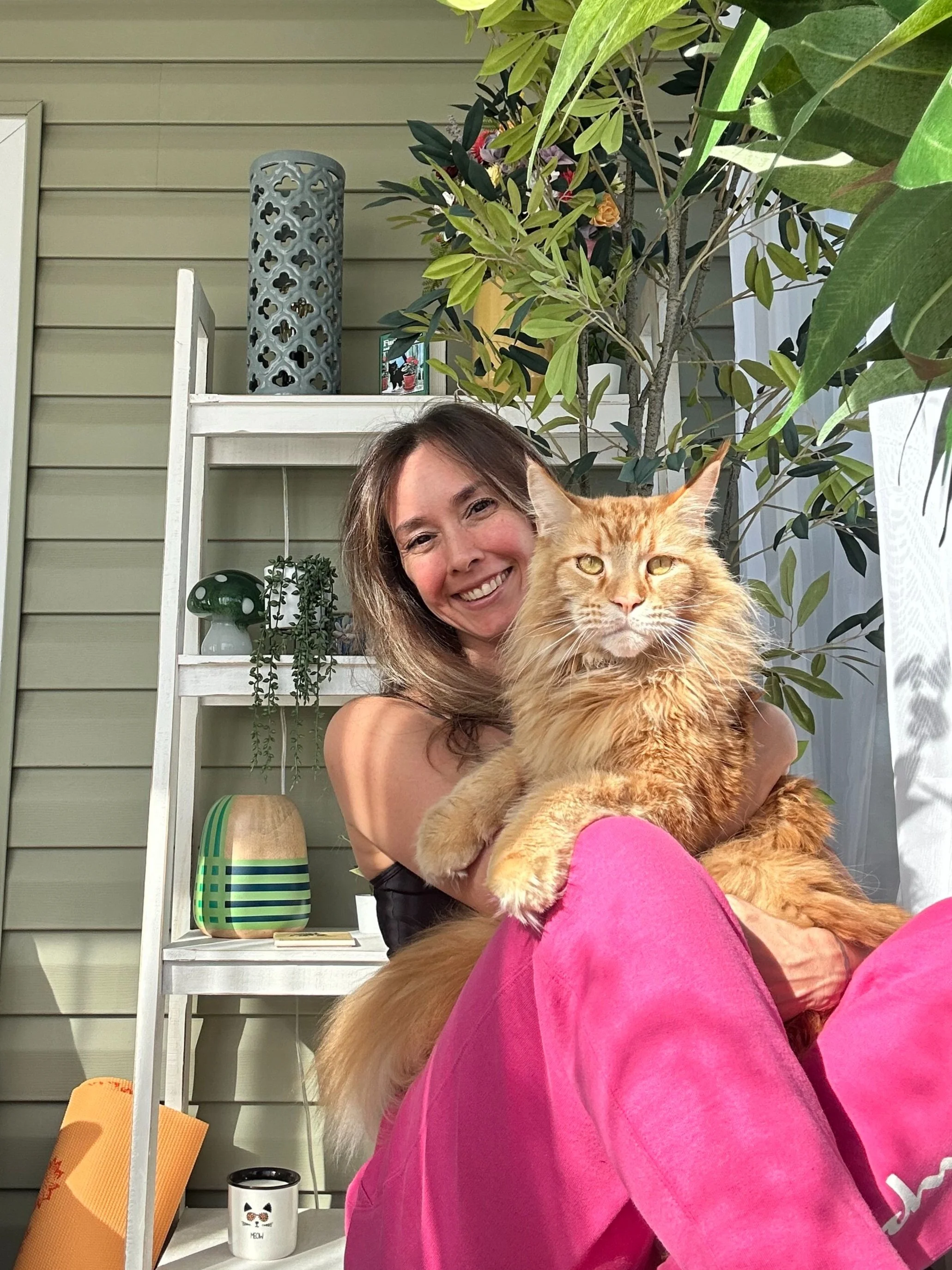
Meet Your KAP Provider
Lauren Massa, LCPC Therapist
With close to 100 hours in KAP specific training, I am passionate about providing you with the most comfortable and knowledgeable experience I possibly can. I utilize a trauma-informed & neurodivergent affirming approach with IFS and somatic practices. My main goal is to support you in returning hope to your life and comfort & joy to your experience during your time with me!
Additional resources